Marine wildlife safaris for scuba divers: Explore the Ocean Depths
Marine Wildlife Safaris for Scuba Divers
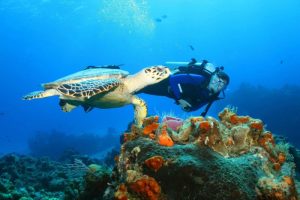
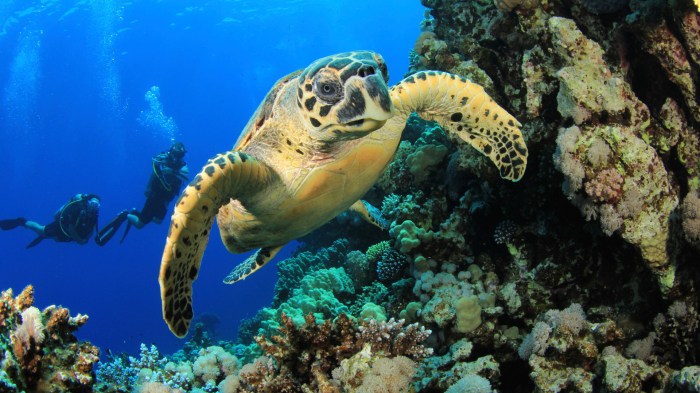
Marine wildlife safaris for scuba divers – Marine wildlife safaris offer scuba divers a unique and thrilling opportunity to explore the diverse underwater ecosystems of the world. The chance to encounter majestic marine creatures in their natural habitats is a major draw for diving enthusiasts.
Best Locations for Marine Wildlife Safaris
Some of the best locations around the world for marine wildlife safaris include:
- The Galapagos Islands, Ecuador: Known for its abundance of marine life, including hammerhead sharks, sea lions, and marine iguanas.
- Raja Ampat, Indonesia: A biodiversity hotspot with vibrant coral reefs and a wide variety of fish species.
- Great Barrier Reef, Australia: The world’s largest coral reef system, home to colorful coral formations and a plethora of marine species.
Conservation Efforts during Marine Wildlife Safaris
Conservation efforts are crucial during marine wildlife safaris to protect the delicate ecosystems and ensure the sustainability of marine life. Divers should follow responsible diving practices, such as not touching or disturbing marine animals, and supporting local conservation initiatives.
Tips for Scuba Divers
Before embarking on a marine wildlife safari, scuba divers should:
- Research the marine life and local diving regulations of the destination.
- Ensure their diving gear is in good condition and properly maintained.
- Practice buoyancy control to avoid damaging coral reefs or stirring up sediment.
- Respect marine life by maintaining a safe distance and observing without interference.
Festival Travel
Festival travel offers a unique opportunity for travelers to immerse themselves in the vibrant culture and traditions of a destination. It allows for a deeper connection with the local community and provides a firsthand experience of their customs and celebrations.
Cultural Significance of Festivals
Participating in local festivals while traveling not only enriches one’s understanding of different cultures but also promotes cultural exchange and appreciation. It allows travelers to witness age-old traditions, rituals, and artistic performances that are integral to the identity of the community.
Planning a Festival-Centered Itinerary
- Research and identify festivals: Start by researching upcoming festivals in your desired destination and plan your trip around those dates.
- Book accommodations in advance: Festivals often attract large crowds, so it’s advisable to book accommodations well in advance to secure a place to stay.
- Prepare for the festivities: Pack appropriate clothing and accessories, familiarize yourself with local customs, and learn about the significance of the festival you’ll be attending.
- Stay flexible: Be prepared for unexpected changes in schedules or events during the festival and embrace the spontaneity of the experience.
Festival Travel and Sustainable Tourism
Festival travel can contribute to sustainable tourism by supporting local communities and preserving cultural heritage. By participating in festivals, travelers can help generate income for local artisans, businesses, and cultural institutions, thereby promoting sustainable development in the destination.
Hiking Trails
Exploring hiking trails is a thrilling way to immerse yourself in nature and challenge yourself physically. Here, we will discuss some of the most breathtaking hiking trails around the world, as well as safety tips and the benefits of hiking on mental and physical well-being.
Breathtaking Hiking Trails Around the World
There are countless stunning hiking trails around the world that offer breathtaking views and unique experiences. Some of the most notable ones include:
- The Inca Trail in Peru, leading to the iconic Machu Picchu
- The Haiku Stairs in Hawaii, also known as the “Stairway to Heaven”
- The Torres del Paine W Trek in Chile, showcasing the Patagonian wilderness
- The Kalalau Trail in Hawaii, along the rugged Na Pali Coast
Different Levels of Difficulty in Hiking Trails
Hiking trails come in various levels of difficulty, catering to different skill levels and preferences. It’s important to choose a trail that matches your experience and fitness level to ensure a safe and enjoyable hike. The levels of difficulty include:
- Easy trails for beginners with minimal elevation gain and well-marked paths
- Moderate trails with some challenging sections and moderate elevation gain
- Difficult trails for experienced hikers with steep inclines and rugged terrain
Safety Tips for Hikers Exploring Remote Trails
When exploring remote hiking trails, it’s crucial to prioritize safety to avoid accidents and get the most out of your adventure. Some safety tips for hikers include:
- Research the trail and familiarize yourself with the route before starting
- Inform someone about your hiking plans and expected return time
- Pack essential supplies such as water, food, first aid kit, and navigation tools
- Stay on marked trails and follow all park regulations
- Check the weather forecast before heading out and be prepared for changing conditions
Benefits of Hiking on Mental and Physical Well-being
Hiking offers a wide range of benefits for both mental and physical well-being, making it a popular outdoor activity for many. Some benefits of hiking include:
- Improved cardiovascular health and fitness levels
- Reduced stress and anxiety through exposure to nature
- Enhanced mood and mental clarity from being outdoors
- Opportunities for social interaction and connection with others
Travel Reviews
Before planning a trip, it is crucial to read travel reviews to gather insights and experiences from other travelers who have visited the destination. This can help in making informed decisions and avoiding any potential issues during the journey.
Platforms for Travel Reviews and Reliability
There are various platforms where travelers can find reviews such as TripAdvisor, Yelp, Google Reviews, and travel blogs. It is essential to consider the reliability of these platforms by checking the credibility of the reviewers, the number of reviews, and the recency of the feedback.
Tips for Writing Helpful Travel Reviews
- Be detailed and specific about your experiences, including accommodations, activities, and dining options.
- Mention any challenges or issues faced during the trip along with how they were resolved.
- Add personal insights and recommendations for future travelers to enhance their experience.
- Include relevant information such as the time of visit, weather conditions, and any cultural aspects that may impact the trip.
Impact of Travel Reviews on Decision-making
Travel reviews play a significant role in influencing travelers’ decision-making process. Positive reviews can instill confidence and excitement about a destination, while negative reviews can raise concerns and prompt travelers to reconsider their plans. It is important to read a variety of reviews to get a comprehensive understanding before finalizing travel arrangements.
Travel Accessories
When embarking on different types of trips, having the right travel accessories can make all the difference in terms of comfort, convenience, and sustainability. From hiking in the mountains to lounging on the beach or exploring a bustling city, here are some essential travel accessories to consider.
Hiking Trip Accessories
- Hiking boots: Invest in a sturdy pair of hiking boots that provide ankle support and traction.
- Backpack: Opt for a lightweight, durable backpack with ample space for water, snacks, and other essentials.
- Water bottle: Stay hydrated on the trails with a reusable, insulated water bottle.
- Sun protection: Pack a wide-brimmed hat, sunglasses, and sunscreen to shield yourself from the sun.
Beach Trip Accessories
- Beach towel: Choose a quick-drying, sand-resistant beach towel for lounging by the water.
- Sun hat: Keep cool and protected from the sun with a stylish sun hat.
- Swimwear: Pack comfortable and functional swimwear for a dip in the ocean.
- Sandals: Opt for water-friendly sandals that can easily transition from the beach to the boardwalk.
City Trip Accessories
- Daypack: Carry your essentials in a compact daypack for exploring city streets and attractions.
- Portable charger: Stay connected on the go with a portable charger for your electronic devices.
- Travel wallet: Keep your documents, cards, and cash organized in a secure travel wallet.
- Comfortable shoes: Choose stylish yet comfortable shoes for walking long distances in the city.
Sustainable Travel Accessories
- Reusable water bottle: Reduce plastic waste by using a reusable water bottle throughout your travels.
- Solar-powered charger: Opt for a solar-powered charger to recharge your devices using renewable energy sources.
- Eco-friendly toiletries: Choose biodegradable and environmentally-friendly toiletries to minimize your impact on the environment.
- Reusable shopping bag: Carry a foldable reusable shopping bag to avoid using single-use plastic bags while shopping or sightseeing.
Road Adventures
Embarking on road adventures offers a unique sense of freedom and excitement as you hit the open road, ready to explore new destinations and create unforgettable memories along the way. Whether traveling solo or with friends and family, road trips provide an opportunity to immerse yourself in the beauty of nature, discover hidden gems off the beaten path, and truly experience the journey.
Tips for Planning a Successful Road Trip Adventure
- Plan your route ahead of time, but also allow room for spontaneity and unexpected detours.
- Make sure your vehicle is in good condition and equipped with essentials like a spare tire, tools, and emergency supplies.
- Pack light and efficiently, focusing on versatile clothing and gear to maximize space in your vehicle.
- Research accommodations and dining options along your route to ensure a comfortable and enjoyable experience.
- Stay flexible and open-minded, embracing the unexpected and embracing the freedom that comes with a road trip.
Best Road Trip Routes in Different Regions of the World
- The Pacific Coast Highway in California, USA, offers stunning coastal views and access to iconic destinations like Big Sur and Malibu.
- The Great Ocean Road in Australia features breathtaking ocean vistas, lush rainforests, and the famous Twelve Apostles rock formations.
- The North Coast 500 in Scotland showcases rugged landscapes, historic castles, and charming villages along a scenic coastal route.
- The Garden Route in South Africa combines diverse landscapes, wildlife encounters, and cultural experiences, from beaches to wineries to national parks.
Cultural Experiences During Road Adventures
- Interact with locals in small towns and villages to learn about their traditions, cuisine, and way of life.
- Visit cultural landmarks and heritage sites to gain insight into the history and customs of the regions you are passing through.
- Attend festivals, events, and markets along your route to experience the vibrant local culture and community spirit.
- Participate in outdoor activities and excursions that connect you with the natural beauty and cultural heritage of the areas you are exploring.
Tropical Islands
Tropical islands are renowned for their stunning beaches, crystal-clear waters, and vibrant marine life, making them popular travel destinations for tourists seeking a slice of paradise.
However, the influx of tourism can have a significant impact on the conservation of tropical islands. Increased foot traffic, waste generation, and habitat destruction are some of the challenges faced by these fragile ecosystems. It is crucial for travelers to be mindful of their environmental footprint and support sustainable tourism practices to preserve the natural beauty of these islands for future generations.
Unique Flora and Fauna
- Tropical islands are home to a diverse range of plant species, including lush rainforests, colorful orchids, and towering palm trees. These plants play a vital role in the ecosystem, providing habitat and food for a variety of wildlife.
- On land, travelers may encounter unique creatures such as colorful birds, playful monkeys, and elusive reptiles. Exploring the lush jungles and hiking trails can offer a glimpse into the rich biodiversity of tropical islands.
- Beneath the surface, the waters surrounding tropical islands teem with life. Coral reefs, home to a myriad of fish species, sea turtles, and other marine creatures, provide a mesmerizing underwater world for scuba divers and snorkelers to explore.
Travel Tips for Visiting Tropical Islands
- Respect the local environment and wildlife by following designated trails, avoiding littering, and refraining from touching or feeding animals.
- Support local conservation efforts by choosing eco-friendly accommodations, participating in beach clean-up activities, and learning about the unique ecosystems of the island.
- Stay hydrated and protected from the sun by wearing sunscreen, a hat, and lightweight clothing. Tropical climates can be hot and humid, so it’s essential to take precautions to stay comfortable during your visit.
Travel Rewards
Travel rewards are a fantastic way for frequent travelers to maximize their travel experiences and save money. By participating in loyalty programs offered by airlines, hotels, and credit cards, travelers can earn points or miles that can be redeemed for free flights, hotel stays, car rentals, and more.
These programs are designed to reward customer loyalty and encourage repeat business, making them incredibly valuable for those who travel often.
Airlines Rewards Programs
Airlines offer rewards programs that allow travelers to earn miles for every flight they take. These miles can then be redeemed for free flights, upgrades, and other travel perks. Some airlines even have partnerships with other carriers, allowing travelers to earn and redeem miles across multiple airlines.
Hotel Rewards Programs
Hotel rewards programs work similarly to airlines programs, where travelers can earn points for each night they stay at a participating hotel. These points can be used for free stays, room upgrades, and other benefits like complimentary breakfast or late checkout.
Some hotel chains also offer co-branded credit cards that allow cardholders to earn even more points for their stays.
Credit Card Rewards Programs
Credit card rewards programs are another popular way to earn travel rewards. Many credit cards offer points or miles for every dollar spent, which can then be used for travel bookings, statement credits, or other rewards. Some credit cards also offer sign-up bonuses, where new cardholders can earn a large number of points or miles after meeting a spending requirement within the first few months.
Maximizing Travel Rewards
To maximize travel rewards, it’s important to choose the right rewards program based on your travel habits and preferences. It’s also essential to use your rewards strategically, taking advantage of promotions, bonus offers, and redemption options that give you the most value for your points or miles.
Additionally, consider pooling points or miles from different programs to reach redemption thresholds faster.
Future Trends in Travel Rewards
As technology continues to advance, we can expect to see more personalized and innovative travel rewards programs in the future. This may include targeted promotions based on individual travel patterns, seamless integration of rewards across different travel providers, and new ways to earn and redeem rewards through emerging technologies like blockchain and artificial intelligence.
Winter Getaways
Winter getaways are a popular choice for snow enthusiasts looking to embrace the cold weather and enjoy a variety of activities in a snowy wonderland.
Top Winter Getaway Destinations for Snow Enthusiasts
- Whistler, Canada: Known for its world-class skiing and snowboarding opportunities.
- Aspen, Colorado: A favorite among winter sports enthusiasts with its picturesque slopes.
- Zermatt, Switzerland: Home to the iconic Matterhorn and offers stunning alpine scenery.
- Niseko, Japan: Famous for its powder snow and vibrant apres-ski scene.
Tips for Planning a Winter Getaway for Skiing or Snowboarding
- Book accommodations in advance to secure the best deals and availability.
- Check weather conditions and snow forecasts to plan your activities accordingly.
- Pack appropriate winter gear, including layers, waterproof clothing, and insulated boots.
- Consider booking lessons or guides for a more enjoyable and safe experience on the slopes.
The Appeal of Winter Getaways Beyond Traditional Snow Activities
Winter getaways offer more than just skiing and snowboarding, with opportunities to enjoy cozy cabin stays, winter festivals, ice skating, snowshoeing, and relaxing in hot springs.
Winter Wellness Retreats as a Form of Travel
Winter wellness retreats focus on relaxation, rejuvenation, and self-care amidst the serene winter landscape. Activities may include yoga, meditation, spa treatments, and healthy dining options to promote overall well-being during the colder months.
Camping Sites
Camping sites offer unique experiences to travelers, allowing them to connect with nature in a more intimate way. Whether you prefer beachside relaxation, forest adventures, or desert tranquility, camping provides a sense of freedom and escape from the hustle and bustle of everyday life.
Tips for Finding the Best Camping Sites
- Research different camping locations to match your preferences, such as proximity to water, hiking trails, or specific activities.
- Read reviews from other campers to get insights into the quality and amenities of the site.
- Consider the time of year and weather conditions to ensure a comfortable and enjoyable camping experience.
- Check for any permit requirements or restrictions in the area you plan to camp in.
Leave No Trace Principles
- Always clean up after yourself and leave the campsite as you found it to preserve the natural environment.
- Minimize campfire impact and use designated fire pits or stoves to prevent wildfires.
- Respect wildlife and do not feed or disturb animals in their natural habitat.
- Dispose of waste properly and follow guidelines for recycling and waste management while camping.
Community Aspect of Camping
Camping fosters a sense of community among fellow campers, creating opportunities to share experiences, stories, and tips. Connecting with like-minded individuals in the great outdoors can lead to lasting friendships and memorable adventures. Embracing the communal spirit of camping adds a social dimension to the outdoor experience, enriching the overall journey.
Local Cuisine: Marine Wildlife Safaris For Scuba Divers
Exploring local cuisine while traveling is an essential part of immersing yourself in the culture of a destination. Food not only nourishes the body but also serves as a window into the traditions, history, and way of life of a particular place.
It allows you to connect with locals on a deeper level and gain a better understanding of their customs and values.
Discovering Authentic Local Food Experiences
- Seek out local markets and street food stalls to taste dishes made with fresh, regional ingredients.
- Ask for recommendations from residents or your tour guide for hidden gems off the beaten path.
- Participate in cooking classes or food tours to learn about traditional cooking techniques and recipes.
- Be open to trying new flavors and dishes that may be unfamiliar to you.
Cultural Importance of Food
Food plays a significant role in different regions of the world, reflecting the history, geography, and social dynamics of a community. It is often tied to celebrations, rituals, and family gatherings, showcasing the values and identity of a culture.
Connection Between Sustainable Food Practices and Local Cuisine
Sustainable food practices are becoming increasingly important in preserving local cuisines and supporting small-scale producers. By choosing locally sourced ingredients and traditional cooking methods, communities can protect their culinary heritage and reduce their environmental impact.
Wildlife Safaris
Marine wildlife safaris offer a unique and captivating experience that differs from traditional wildlife safaris on land. The opportunity to dive into the underwater world and observe marine creatures in their natural habitat provides a sense of awe and wonder that is unparalleled.
Comparing Experiences
When comparing marine wildlife safaris with traditional wildlife safaris, one key distinction is the environment in which the animals are observed. While traditional safaris typically involve viewing land animals from a distance, marine safaris allow for up-close encounters with marine life while diving or snorkeling.
The underwater setting adds an element of adventure and mystery to the experience, offering a different perspective on wildlife observation.
Ethical Considerations
Ethical considerations are crucial when participating in wildlife safaris to ensure the well-being of the animals involved. It is essential to choose operators who prioritize animal welfare and follow responsible practices to minimize any negative impact on the environment. Additionally, respecting wildlife habitats and maintaining a safe distance from animals are important aspects of ethical wildlife viewing during safaris.
Responsible Wildlife Viewing
To engage in responsible wildlife viewing during safaris, consider the following tips:
- Avoid touching or disturbing animals in their natural habitat.
- Observe animals from a safe distance to prevent stress or harm.
- Follow guidelines set by tour operators and local authorities for wildlife interactions.
- Do not feed wild animals as it can disrupt their natural behaviors and diets.
Role in Conservation Efforts
Wildlife safaris play a significant role in conservation efforts by raising awareness about endangered species, promoting eco-tourism, and supporting wildlife protection initiatives. By providing opportunities for people to connect with nature and witness the beauty of wildlife firsthand, safaris contribute to fostering a sense of appreciation and respect for the environment.
Travel Vlogs
Travel vlogs have become increasingly popular in recent years, serving as a source of inspiration and information for travelers around the world. These video logs offer a unique and immersive way to experience different destinations, cultures, and activities, making them a valuable resource for anyone looking to plan their next adventure.
Popularity of Travel Vlogs
- Travel vlogs provide a visual and personal perspective on various travel experiences, allowing viewers to feel like they are actually there.
- They offer practical tips, recommendations, and insights that can help travelers make informed decisions when planning their trips.
- Many viewers enjoy the storytelling aspect of travel vlogs, as vloggers share their adventures, mishaps, and memorable moments in a relatable and engaging way.
Creating Engaging and Authentic Travel Vlogs
- Focus on showcasing genuine experiences and emotions rather than creating overly polished or scripted content.
- Use high-quality visuals and audio to enhance the viewer’s experience and capture the essence of the destination accurately.
- Engage with your audience by responding to comments, sharing behind-the-scenes footage, and incorporating interactive elements into your vlogs.
Challenges and Rewards of Being a Travel Vlogger
- Challenges: Maintaining a consistent posting schedule, dealing with negative feedback, balancing personal life with work, and constantly staying creative and innovative.
- Rewards: Traveling to new places, connecting with a global audience, turning passion into a profession, and creating lasting memories through vlogging.
Impact of Travel Vlogs on Destination Popularity and Tourism
- Travel vlogs have the power to significantly influence destination popularity, as viewers are often inspired to visit places they see featured in vlogs.
- Vloggers can inadvertently contribute to overtourism in certain locations, leading to both positive and negative impacts on local communities and ecosystems.
- Destinations featured in popular travel vlogs may experience a surge in tourism, leading to economic benefits but also potential environmental and cultural challenges.
Car Rentals
When planning a trip, renting a car can provide flexibility and convenience to explore different destinations at your own pace. It is essential to compare different car rental companies and their services to ensure a smooth travel experience.
Choosing the Right Rental Car, Marine wildlife safaris for scuba divers
Before selecting a rental car for your trip, consider the following tips to make the best choice:
- Assess the size of the vehicle based on the number of passengers and luggage to ensure comfort during the journey.
- Check the fuel efficiency of the car to save on costs, especially for long-distance trips.
- Review the rental terms and conditions, including insurance coverage and additional fees, to avoid any surprises.
- Inspect the condition of the vehicle for any damages before driving off to prevent disputes upon returning the car.
Renting a Car vs. Using Public Transportation
While renting a car offers flexibility, using public transportation has its advantages as well. Here are the pros and cons of each option:
- Renting a Car:
- Pros: Freedom to explore remote areas, no fixed schedules, convenient for families or group travel.
- Cons: Additional costs for fuel and insurance, parking challenges in crowded areas, responsibility for maintenance and repairs.
- Using Public Transportation:
- Pros: Cost-effective, environmentally friendly, no need for parking, reduces stress of driving in unfamiliar locations.
- Cons: Limited flexibility, adherence to schedules, crowded during peak hours, may not reach all destinations.
Future Trends in Car Rentals
With the rise of sustainable transportation options, the future of car rentals is evolving to meet eco-friendly demands. Some trends include:
- Increased availability of electric and hybrid vehicles in rental fleets to reduce carbon emissions.
- Integration of smart technology for booking, navigation, and in-car entertainment systems for a seamless travel experience.
- Collaborations with ride-sharing services and public transport networks to offer integrated mobility solutions.
Scenic Routes
Scenic routes offer a unique opportunity to experience the beauty of nature while embarking on a road trip. These picturesque roads provide stunning views and landscapes that are truly unforgettable. Here, we will explore some of the most breathtaking scenic routes around the world, along with tips on capturing their beauty through photography and delving into their historical and cultural significance.
Top Scenic Routes for Road Trips
- Going-to-the-Sun Road, Montana, USA: This iconic route in Glacier National Park offers jaw-dropping views of snow-capped mountains, lush forests, and crystal-clear lakes.
- The Great Ocean Road, Australia: Along the southeastern coast of Australia, this route showcases dramatic cliffs, pristine beaches, and the famous Twelve Apostles rock formations.
- Ring Road, Iceland: Circumnavigate the entire island of Iceland on this route, passing by majestic waterfalls, geothermal hot springs, and rugged volcanic landscapes.
Capturing the Beauty of Scenic Routes through Photography
When photographing scenic routes, it’s essential to capture the essence of the landscape. Use a wide-angle lens to encompass the vastness of the scenery, and pay attention to lighting to enhance the natural beauty of the surroundings.
Historical and Cultural Significance of Scenic Routes
Many scenic routes hold historical and cultural importance, as they often follow paths taken by early settlers or indigenous peoples. These routes may lead to historic landmarks, cultural sites, or areas of natural significance, providing insight into the heritage of the region.
Weekend Getaways
Weekend getaways are a perfect way to escape the hustle and bustle of daily life, allowing for relaxation and rejuvenation in a short amount of time.
Planning a quick and memorable weekend getaway involves choosing a destination within a manageable driving distance, packing light, and making the most of your time away. Consider activities that you enjoy and prioritize them to make the most of your short trip.
Benefits of Weekend Getaways
- Provide a quick break from routine and stress.
- Opportunity to explore new places and experiences.
- Recharge and rejuvenate in a short amount of time.
Tips for Planning a Memorable Weekend Getaway
- Choose a destination within a manageable driving distance.
- Pack light and only essentials.
- Plan activities in advance to make the most of your time.
Best Weekend Getaway Destinations Within Driving Distance
- Mountainside cabin retreats
- Cozy beachside cottages
- Charming small towns with local attractions
Micro-Adventures for Weekend Getaways
Micro-adventures are short, local trips that offer a sense of exploration and excitement without the need for extensive planning or travel. Consider hiking a nearby trail, exploring a new city, or trying a new outdoor activity for a quick and adventurous weekend getaway.
Question & Answer Hub
What marine wildlife can scuba divers expect to see on these safaris?
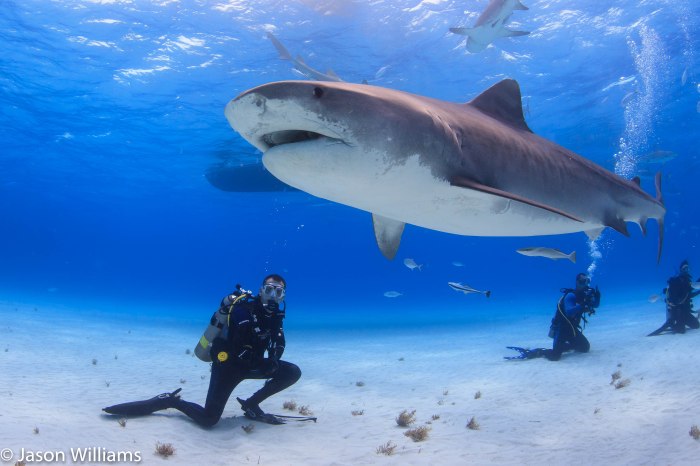
Scuba divers can encounter a variety of marine creatures such as colorful coral reefs, majestic sea turtles, playful dolphins, and even elusive sharks.
Are these safaris suitable for beginner scuba divers?
Yes, many marine wildlife safaris cater to divers of all levels, including beginners. Experienced guides are available to ensure a safe and enjoyable experience underwater.
How can divers contribute to conservation efforts during these safaris?
Divers can contribute by following responsible diving practices, respecting marine life and habitats, and supporting local conservation initiatives aimed at protecting the oceans.
What should scuba divers pack for a marine wildlife safari?
Scuba divers should pack their diving gear, sunscreen, swimsuit, underwater camera, and a sense of adventure to fully enjoy the experience of exploring marine wildlife.